
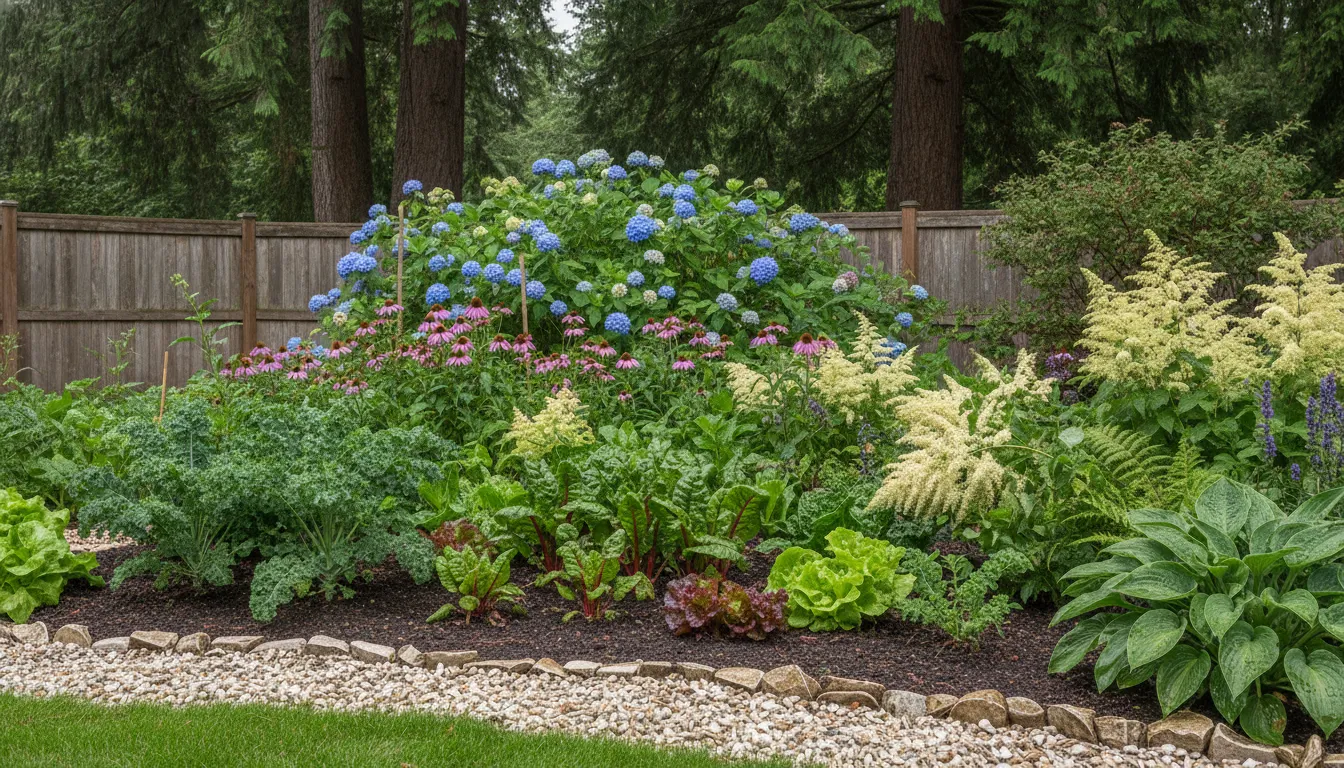
A pale, mineral surface gives a garden bed a different look from bark mulch. The material beneath it also matters. Crushed shell may serve as decorative cover. It may also be considered as a soil amendment. Those are different decisions with different checks.
Planning a garden bed with crushed oyster shell? Contact ShellScapes to discuss your project.
Crushed oyster shells for garden beds may suit a planting plan if the plants and soil conditions are appropriate. Because oyster shell can affect soil pH, test the soil before considering it as an amendment, and do not assume every plant will benefit.
Decide what role the shell should play. Then weigh the choice against the plants’ needs. Shellscapes offers shell for garden and flower beds, but there is no universal bed application rate or plant-compatibility list to rely on. The useful question is whether the material fits this particular site, not whether shell is always better than another cover. A closer look at the bed’s purpose, existing soil, and planting palette makes that decision clearer.
Are crushed oyster shells for garden beds right for your planting plan?
Start with the role you want the material to play. In a garden bed, crushed oyster shell can be a distinctive visible surface. Shellscapes describes its aggregate as pale, sun-bleached white and porous, with larger fragments available for decorative appeal. That makes it a different visual choice from bark or dark compost, and a possible alternative to decorative mulch when the look suits the planting.
That surface role is not the same as changing the soil beneath it. Shellscapes also discusses oyster shell as a potential soil amendment. That is a separate choice tied to the bed’s soil and plants. A white shell surface will not improve every bed. Covering soil with it also does not promise a certain soil or drainage result. Porous describes the material; it is not a guarantee about how water will move through a specific, planted bed.
Consider the whole planting scheme before choosing shell. Its light color and visible fragments will shape the bed’s appearance. Consider how they will sit beside foliage, flowers, edging, and paving. Choose a mineral look or an organic material that blends into a naturalistic planting. These are design choices, not claims that one material performs better in every garden.
Shell is a less straightforward fit if the goal is to make a general soil amendment without knowing what the soil needs. Plant requirements vary, and any potential soil effect should be considered separately from the surface design. If you are unsure whether the bed calls for a decorative aggregate, a soil amendment, or neither, make that distinction before selecting material. For wider context, see Shellscapes’ other crushed oyster shell landscaping uses. Here, the question is whether its look and role suit a planted bed.
How should you think about oyster shell and garden soil pH?
Oyster shell is not just a decorative surface material. Because it contains calcium carbonate, finely ground shell can raise soil pH. That does not mean every bed needs it, or that a visible layer of shell will predictably change the soil beneath it. The result depends on the soil’s starting condition and characteristics, as well as the shell material, including how finely it is ground. A published study found that shell changed pH differently in two soil types. Results from one setting are not a garden-bed recipe.
Soil pH matters because it affects which nutrients are available to plants, and different plants have different preferences. Oregon State University Extension recommends testing garden soil before making pH adjustments. One material can suit one planting area but be a poor fit for another. Read Oregon State’s overview of soil pH and garden management for an explanation of the relationship between soil conditions and plant needs.
Start by testing the bed you are planning to amend, then consider what is growing there and what the test says about its current pH. Follow the interpretation and recommendations from a soil-testing lab or your local university extension service. Local guidance accounts for regional soils and the plants being grown. If the results do not call for a higher pH, do not use oyster shell as an amendment just because it is available.
It is also helpful to separate two different purposes: choosing shell as a visible surface material and using shell to change soil chemistry. A decorative choice does not automatically make it a suitable amendment. If using crushed oyster shells for garden beds to influence pH, get advice based on your soil test and planting goals. Avoid guessing at an amount or relying on a general rate from another garden, since the evidence does not establish a universal bed application rate.
The practical rule is simple: test first and interpret the result for your plants and location. Use oyster shell for a pH-related purpose only when that guidance supports it. That keeps a potential soil effect from becoming an unintended change to a bed that was already in suitable condition.
Which plants need extra caution around oyster shell?
Give the closest attention to plants whose health depends on acidic soil. Oregon State University Extension lists blueberries, azaleas, rhododendrons, heathers, and hydrangeas as plants that require acidic conditions to thrive. These plants need caution. Do not assume shell is suitable as a soil amendment just because it is natural.
The concern is whether the material and the existing soil fit the plants’ needs. Shell can be considered as a potential soil amendment, but its effect depends on conditions and use. OSU Extension explains that high soil pH can limit acid-loving plants’ uptake of key nutrients. That makes a blanket application a poor choice when you have not checked the bed first.
Before adding shell to soil near these plants, test the soil and use the lab’s interpretation alongside guidance for the plants you are growing. Test the soil before trying to change its pH. Use local guidance to decide whether shell suits that bed. Read its advice for acid-loving plants for more context. If the test indicates the existing soil already suits the plants, avoid changing it without a specific reason.
Consider the intended role of the shell, too. A decorative layer on the surface differs from mixing shell into soil. Still, do not assume that makes it safe for all plants. Keep plant-specific soil needs in view, and seek local extension or soil-lab advice if you are unsure how the material may affect the planting area. No single list proves shell is safe for every plant. A choice that suits one bed may not suit another.
For guidance on the material itself, see Shellscapes’ oyster shell FAQs. Match the decision to the plant, soil test, and intended use. Do not rely on a universal safe-plant list.
How does shell compare with bark mulch or gravel in a bed?
Choose a bed surface by starting with the plants and soil, then consider the look you want and the maintenance you are prepared to do. Crushed oyster shell is pale, mineral material. Bark mulch is organic and wood-based, while gravel is a mineral aggregate with a stone-like finish. These differences help narrow the choice, but they do not establish that one option performs better in every bed.
ShellScapes describes oyster shell as an alternative to decorative mulch in its garden material FAQs. Treat that as a surface-design option, not proof that shell is suitable for every plant or soil. Shell can affect soil pH. Check the soil and plant needs before choosing it, especially if it may contact the soil.
Garden-bed material comparison
| Material | Material and appearance | Decision checks |
|---|---|---|
| Crushed oyster shell | Mineral shell aggregate with a pale, sun-bleached appearance. | Does the finish suit the planting design? Have you checked the bed’s soil pH and whether the plants are suited to it? |
| Bark or organic mulch | Organic, wood-based material with a natural bark finish. | Does this familiar organic look suit the bed? Consider how the material fits your planting plan and the upkeep you expect to provide. |
| Gravel | Mineral aggregate with a stone-like appearance; color and texture depend on the material selected. | Does the selected stone finish complement the plants and surrounding hardscape? Consider the bed’s layout and how you will maintain its edges. |
Before deciding, picture the materials alongside the mature plants, not just in a sample pile. A bright shell surface creates a different visual effect from bark or stone, and the right finish depends on the overall garden. Separate surface design from soil amendment. Do not use shell to change soil conditions without testing and plant-specific guidance. If unsure, compare samples in the bed. Ask a landscape professional to assess the planting and soil.
How to plan a garden bed with crushed oyster shell
- Decide what you want the shell to do. Is the goal a pale, decorative surface that contrasts with foliage, or are you considering the material as a soil amendment? Those are different uses. Do not assume that a surface layer will correct soil conditions, or that a soil amendment is automatically right for every bed.
- List the plants that will grow there. Identify existing plants and planned additions before choosing a material. Their soil preferences should guide the decision. Acid-loving plants such as blueberries, azaleas and rhododendrons need particular care because oyster shell can affect soil pH. Oregon State University Extension recommends testing before trying to change soil conditions: test soil before acting on pH.
- Test the bed soil and follow local interpretation. Use a soil test for the area you plan to plant, then review the result with a regional extension service or qualified soil-testing lab. Recommendations depend on the soil and the plants, so avoid treating oyster shell as a blanket amendment. If results do not support changing pH, keep the shell decorative or choose another material.
- Choose between surface use and amendment only after checking suitability. For decorative use, plan the shell as a surface material and keep it clear of plant crowns and stems. If considering incorporation into soil, first confirm that the test results and plant needs justify it, and ask a qualified local professional how to proceed. Do not rely on a generic rate or depth for garden beds.
- Confirm the material and amount for your site. Bed dimensions alone may not determine what is suitable. Share the bed size, intended use, plant list and soil-test results with a supplier or landscape professional, and request a site-specific material estimate. See crushed oyster shell aggregate and garden-bed material for Shellscapes’ product information.
- Plan the bed edges and nearby water flow. Consider where shell could move in rain or during watering. Plan an edge that contains it without sending runoff toward paths, drains, or nearby plants. Review locally suited planting choices as part of the broader site plan.
Where can you get crushed oyster shell for a garden project?
For a Pacific Northwest garden project, ask a supplier about material options and suitability. Shellscapes sources recycled oyster shell with regional oyster grower partners and offers crushed shell for garden beds as well as landscape projects. See its crushed oyster shell aggregate and garden-bed material page for an overview.
Before requesting information or a quote, clarify whether you want a decorative surface material or are considering a soil amendment. Those are different uses, and the right choice depends on the bed and planting plan. If you want to change soil pH, test first. Follow local guidance, and do not assume shell suits every plant or bed.
It also helps to gather a few practical details before contacting a supplier:
- Bed size: Note the approximate length and width. Also record whether the beds are separate. A simple sketch or photo can make the project easier to describe.
- What is growing there: List the plants already in the bed and those you plan to add. Include any known soil-test results or particular soil concerns.
- How you plan to use the shell: Say whether you are exploring a visible top layer, a soil-related use, or both. Do not assume one material form or amount works for every purpose.
- Project location and timing: Share your city or general project area and when you hope to work on it. Ask directly about suitability and supply for your specific project rather than assuming service or delivery details.
Retail products and landscape-supply orders may differ in format and scale. Confirm the product form and intended use before comparing them. Shellscapes can clarify the material and quote details for your situation; use the contact page to ask. Share bed measurements, plants, and intended use. This gives the discussion a clear starting point without guessing at quantities or rates.
Use the bed’s soil-test results, plant list, and intended use to guide the final material choice.
Need help planning your garden bed? Contact ShellScapes to discuss your project.
Frequently Asked Questions
Can I put crushed oyster shells in my garden?
They can be used as a decorative surface material in a garden bed, but do not treat them as a routine soil amendment. Oyster shell contains calcium carbonate, and finely ground shell can raise soil pH. Test the bed first and follow the lab’s guidance before adding any pH-altering material (Oregon State University Extension).
What plants need extra caution around oyster shells?
Be especially cautious around blueberries, rhododendrons, azaleas, heathers, and hydrangeas, which need acidic soil to thrive. If their bed’s pH is already too high, nutrient uptake can be affected. Test the soil before changing its pH. Use local guidance to decide whether shell belongs in the bed (OSU Extension).
How long does oyster shell take to decompose?
There is no verified garden-bed breakdown timeline for ShellScapes’ crushed shell. It is a mineral shell material, not an organic mulch with an established replacement schedule. Choose it for the look and role you want, and ask the supplier about the fragment size available for your project.
Where can I buy crushed oyster shell for landscaping?
ShellScapes supplies crushed oyster shell for garden and flower beds, including larger fragments for a decorative look. Before asking about your project, note the bed’s approximate area, its plants, and whether you want a surface material or are considering a soil amendment. You can review the crushed oyster shell supplier information or contact ShellScapes for project-specific guidance.
Contact us about your garden-bed project
Plant and site conditions matter as much as appearance. Share a little about the bed and your plans so Shellscapes can discuss the material and possible next steps with you.
Have a garden-bed project in mind? Contact ShellScapes to discuss your plans.